Introduction
Every purchase order processed manually costs between $125 and $200 — and when quality control shifts between vendors, those handoffs can consume 15–20% of annual sales in rework and scrap costs. For procurement managers and engineers sourcing metal components, that math adds up fast.
"Full" metal fabrication — where one partner owns the entire production workflow — directly cuts both problems at once.
This guide walks through the end-to-end fabrication process, the most common manufacturing methods, the benefits of using a full-service partner, and what to look for when evaluating one. Whether your work touches aerospace, defense, agriculture, robotics, food packaging, pharmaceuticals, or construction, understanding this model matters for every capital project and production program you run.
TLDR
- Full metal fabrication covers the entire production chain — design, cutting, forming, welding, machining, and finishing — to deliver ready-to-install components
- Single-source manufacturing cuts costs by an average of $20.6 million per project and trims timelines by 14 weeks compared to multi-vendor approaches
- ISO 9001:2015 and AS9100D certifications signal repeatable quality systems critical for aerospace and defense
- The strongest fabrication partners handle concept-to-installation in-house, managing every stage so quality stays under one roof
What Is Full Metal Fabrication?
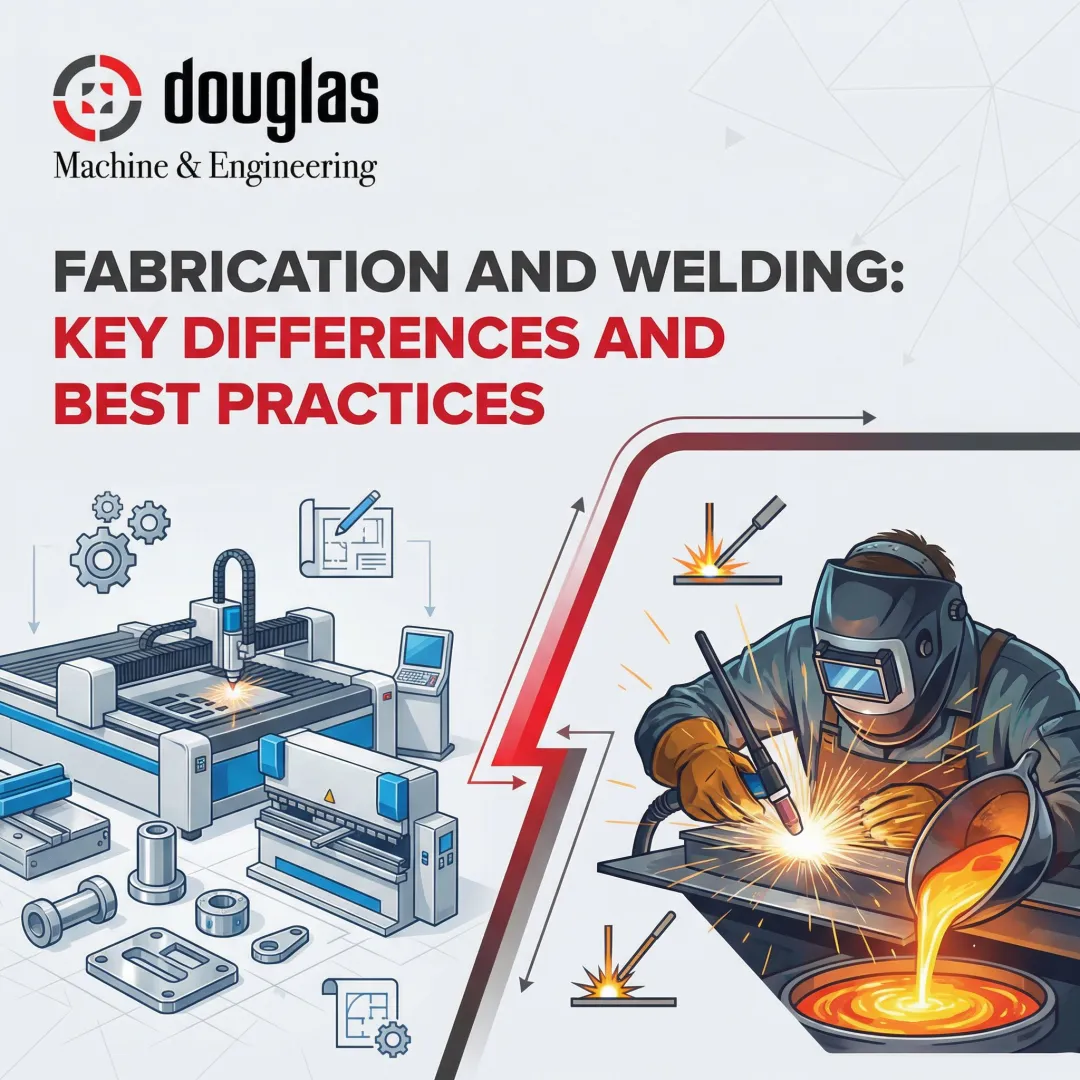
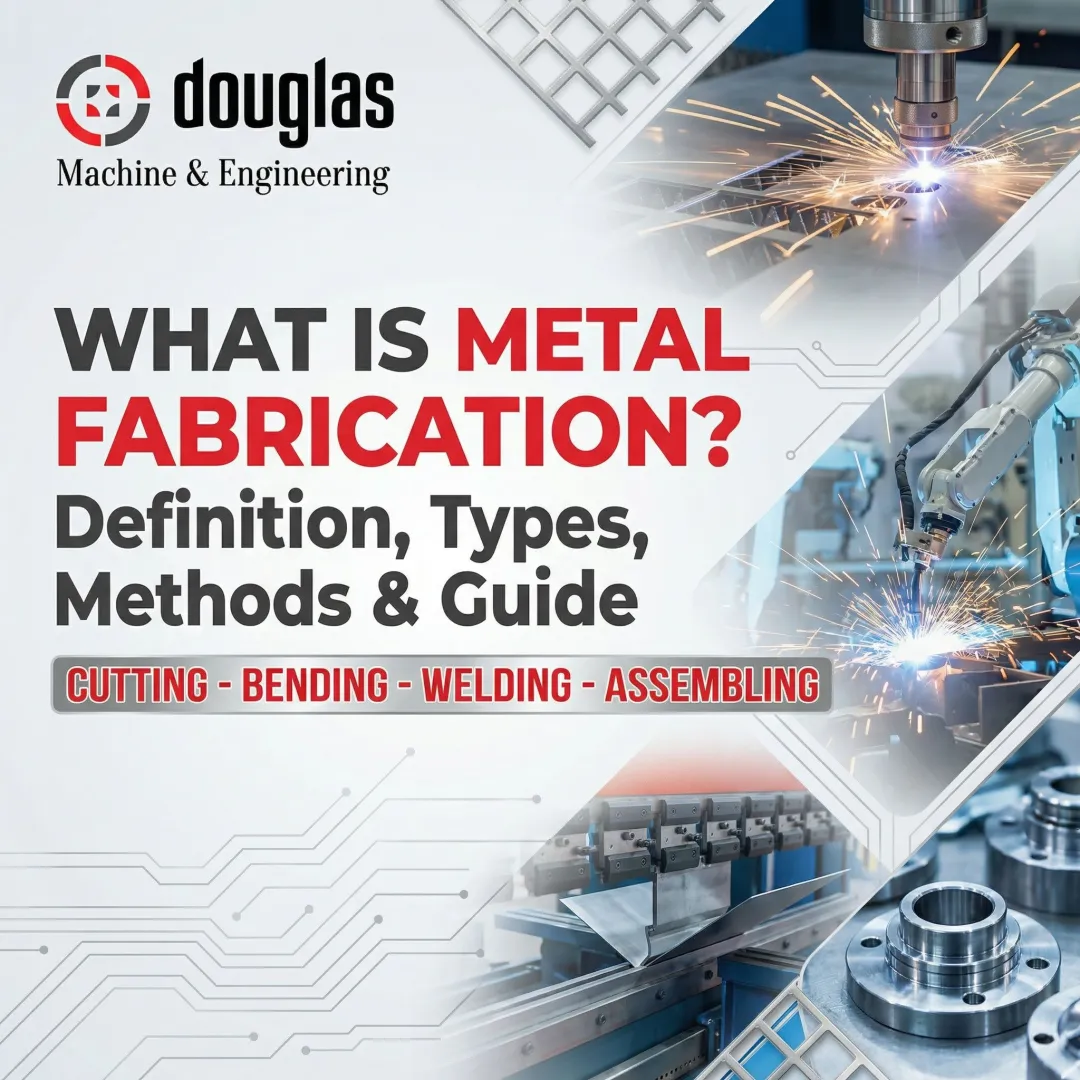
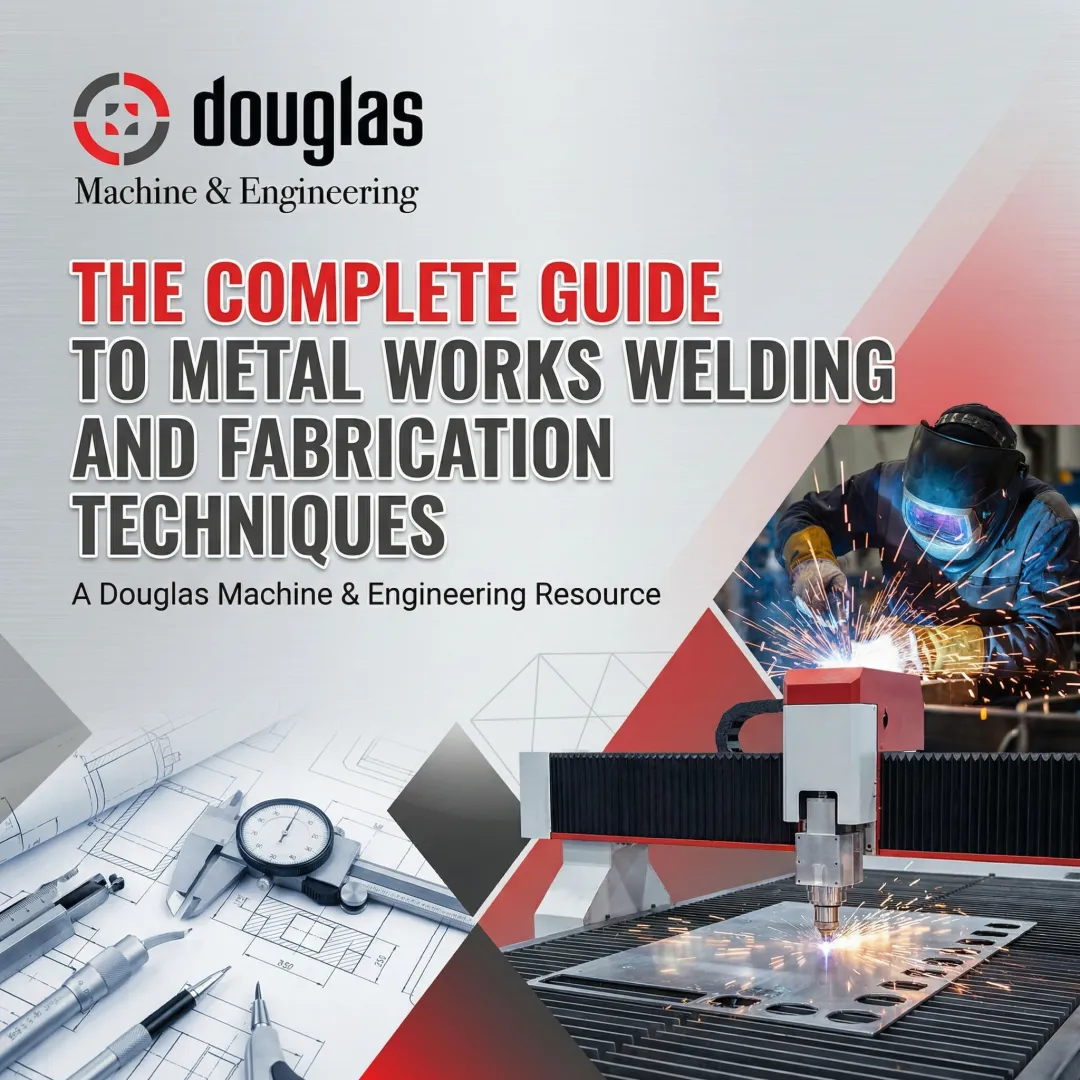
Metal fabrication is the process of cutting, shaping, joining, and finishing metal materials to produce parts, components, or complete assemblies from raw stock—sheet metal, bar stock, tubing, or structural sections.
Full fabrication means a single partner handles the entire production workflow—from initial design and engineering drawings through the finished, installation-ready product, managing any outside processes along the way. Unlike single-process shops, this eliminates the need to coordinate multiple vendors for a complete part.
The three primary categories of metal fabrication are:
- Forming and shaping: bending, rolling, and stamping
- Cutting and material removal: laser cutting, plasma cutting, and CNC machining
- Joining and assembly: welding, fastening, and structural assembly
Core Metal Fabrication Processes
Cutting and Material Removal
Modern fabrication shops use multiple cutting technologies, each suited to specific materials and tolerances:
| Technology | Thickness Range | Tolerance | Heat-Affected Zone |
|---|---|---|---|
| Fiber Laser | Up to 25-30 mm (mild steel), 40 mm (stainless) | ±0.03 mm to ±0.2 mm | Small HAZ; nitrogen assist provides oxidation-free cuts |
| Plasma | Up to 160 mm (6.25" stainless) | Varies by thickness | Narrow HAZ, typically <0.25 mm |
| Waterjet | Up to 8" thick | ±0.0127 mm | No HAZ (cold-cutting eliminates distortion) |
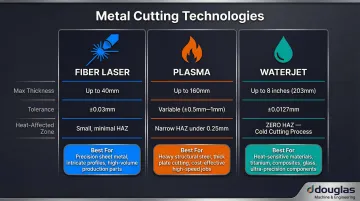
Choosing between these methods comes down to material type, thickness, and tolerance requirements — for example, aerospace alloys sensitive to thermal distortion are almost always waterjet candidates, while high-volume sheet metal work favors laser.
CNC machining removes material through milling, turning, and drilling to produce tight-tolerance components from billets or pre-cut blanks. Modern multi-axis CNC centers achieve volumetric accuracy better than 30 µm and positioning accuracy of 4 µm, enabling complex geometries that previously required multiple setups or outside operations.
Forming and Bending
Primary forming processes include:
- Press brake bending — creates angles and channels in sheet metal
- Roll forming — produces continuous profiles
- Stamping/punching — delivers high-volume repeatable features
- Tube/pipe bending — forms structural and fluid-transfer components
Tooling design and material springback are key engineering considerations. Different materials require different bend allowances, and experienced fabricators account for these variables during design review.
Welding and Joining
Common welding processes used in fabrication:
- MIG (GMAW) — speed and versatility for general applications
- TIG (GTAW) — precision and clean aesthetics on stainless steel and aluminum
- Stick welding — structural and field applications
- Flux-core — heavier sections and outdoor work
Weld quality ties directly to welder certification and procedural controls. AWS-certified welders and Certified Welding Inspectors (CWI) ensure compliance with codes like AWS D1.1, ASME Section IX, and API 1104 by reviewing Welding Procedure Specifications (WPS) and performing non-destructive testing (NDT).
Not every joint calls for a weld. Mechanical joining — fasteners, rivets, press-fit — and adhesive bonding serve as complementary or alternative methods in assemblies where welding is impractical or would compromise the base material.
Surface Finishing
Finishing processes protect against corrosion and ensure regulatory compliance:
| Finish | Film Thickness | Durability | Applications |
|---|---|---|---|
| Powder Coating | 2.4–3.9 mils | Superior scratch/chip resistance | Industrial, outdoor equipment |
| Liquid Paint | 1-2 mils per coat | Moderate | General applications |
Powder coating provides thicker film build and enhanced edge coverage with minimal VOC emissions, making it the preferred choice for harsh industrial environments.
Passivation is critical for stainless steel in food and pharmaceutical applications. ASTM A967 passivation removes free iron and accelerates protective oxide film formation. The FDA (21 CFR Part 820), 3-A Sanitary Standards, and ASME BPE all require strict passivation to prevent contamination. For contract manufacturers like DM&E that serve food-grade and pharmaceutical customers, coordinating passivation through qualified suppliers — and verifying it through inspection — is a standard part of project management rather than an afterthought.
Key Benefits of Full-Service Metal Fabrication
Consistent Quality, Start to Finish
When a single partner manages all fabrication stages under one roof, there is no quality handoff risk. Dimensional accuracy, weld integrity, and surface finish remain consistent throughout. The 1-10-100 Rule illustrates this: preventing a defect costs $1, correcting it internally costs $10, and addressing a failure post-delivery costs $100.
Cost and Logistics Benefits
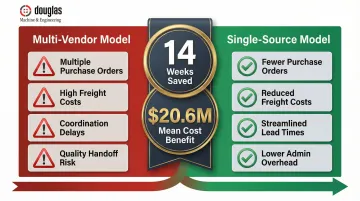
Consolidated fabrication delivers measurable financial impact. Research tracking contract manufacturing found that single-source models reduce development time by 14 weeks, yielding a mean after-tax cost benefit of $20.6 million per project.
Benefits include:
- Fewer purchase orders and reduced freight between vendors
- Single-point accountability for schedule and quality
- Shorter lead times through streamlined coordination
- Lower administrative overhead
Catching Design Problems Before They Become Costly
Fabricators with in-house engineering capabilities catch Design for Manufacturability (DFM) issues early. NASA research on error cost escalation shows that fixing a requirement error during design costs 3–8 units, but escalates to 29–1,500 units during operations.
Early supplier involvement enables:
- Material substitutions that reduce cost
- Tolerance optimization before cutting metal
- Process alignment that prevents mid-project changes
Scalability and Flexibility
Full-service shops handle both prototype work and full production runs under the same roof — no re-qualifying new vendors as your program scales. That continuity matters for projects that move from development into production.
Practical benefits include:
- Same team, same quality standards across all volume levels
- No re-qualification costs when transitioning from prototype to production
- Faster response to engineering changes mid-program
Certifications That Reduce Your Audit Burden
| Standard | Scope |
|---|---|
| ISO 9001:2015 | Documented Quality Management System (QMS), leadership commitment, risk-based thinking, continuous improvement |
| AS9100D | All ISO 9001:2015 requirements plus over 100 aerospace-specific additions: counterfeit part prevention, operational risk management, product traceability, configuration control |
Working with certified fabricators reduces audit burden and provides documented quality records. A study of publicly traded manufacturers found that ISO 9000 certification drove significant improvements in financial performance within three years of implementation.
Industries That Rely on Full Metal Fabrication
Aerospace and Defense
The U.S. aerospace and defense industry generated over $995 billion in total business activity in 2024. The sector demands tight-tolerance, traceable, certified fabrication—AS9100D certification is often non-negotiable. Fabricated components range from structural assemblies and brackets to enclosures and support equipment.
Agricultural and Construction
The North American agricultural tractor machinery market is projected to reach $36.45 billion by 2026. Both sectors need durable, heavy-gauge fabricated structures built for outdoor environments and sustained mechanical stress. That means material selection and protective coatings are as important as the fabrication itself—corrosion resistance and long field service life are baseline requirements, not upgrades.
Industrial, Robotics, Food/Pharma, and Packaging
Cross-sector demand includes:
- Industrial machinery frames and guards
- Robotic end-effectors and structural arms
- Stainless steel food-grade assemblies with passivated finishes
- Precision pharmaceutical equipment enclosures
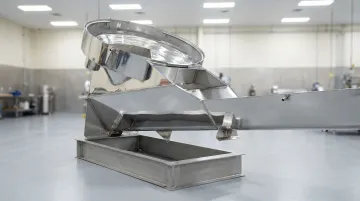
Across these sectors, finishing specifications carry regulatory weight—passivation standards, sanitary weld profiles, and documented material traceability aren't optional. Fabricators without that process knowledge create downstream compliance risk.
How to Choose the Right Metal Fabrication Partner
Evaluate In-House Capabilities
A partner who manages cutting, forming, welding, machining, and finishing under one roof reduces coordination burden and protects quality continuity. Ask specifically which processes are performed in-house versus subcontracted.
Verify Certifications
- ISO 9001:2015 — baseline for quality management
- AS9100D — required for aerospace/defense programs
- AWS-certified welders — indicates procedural welding controls
Confirm certifications are current and quality records are available upon request. Achieving Nadcap accreditation takes 6–12 months and costs $10,000 to over $30,000, making pre-certified partners essential.
Assess Project Management Capability
The best fabrication partners do more than execute tasks — they own the program. Ask specifically how they handle multi-phase projects. Strong partners typically:
- Coordinate all supplier touchpoints on your behalf
- Provide proactive updates on schedule and quality status
- Resolve issues before they become delivery failures
Look for Design and Engineering Support
Partners who engage at the concept or drawing-review stage add value beyond cutting and welding. DFM reviews, material recommendations, and tolerance optimization during design prevent costly downstream rework.
How DM&E Applies These Criteria
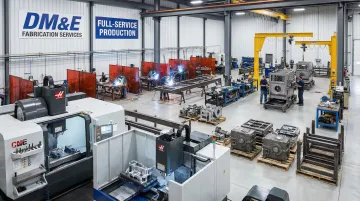
The criteria above describe what Douglas Machine & Engineering (DM&E) delivers in practice. ISO 9001:2015 and AS9100D certified with AWS-certified welders, DM&E handles everything from concept and engineering review through CNC machining, welding, and final delivery — with a newly expanded CNC production shop supporting higher-volume programs.
Rather than handing off coordination, DM&E manages supplier touchpoints and maintains quality ownership across the full project lifecycle. That approach serves aerospace, defense, agricultural, robotics, and industrial customers who need a single accountable partner, not a handoff chain.
Frequently Asked Questions
What are the three types of metal fabrication?
Metal fabrication breaks down into three primary categories:
- Cutting/material removal — laser cutting, plasma cutting, CNC machining
- Forming/shaping — bending, rolling, stamping
- Joining — welding, fastening, assembly
Full-service fabricators typically offer all three in-house.
What is the meaning of fabrication?
Fabrication is the process of building or manufacturing a product by cutting, shaping, and assembling raw materials. In metal fabrication, raw metal stock is transformed into finished components or assemblies through a series of manufacturing processes.
What profession is involved in metal work?
Key roles include metal fabricators, welders, CNC machinists, structural fitters, and manufacturing engineers. AWS-certified welders represent a credentialed tier recognized across aerospace, defense, and industrial sectors.
What materials are commonly used in metal fabrication?
The most common materials in metal fabrication include:
- Carbon/mild steel — structural strength at lower cost
- Stainless steel — corrosion resistance for food and pharmaceutical applications
- Aluminum — lightweight performance for aerospace and robotics
- Specialty alloys (titanium, Inconel) — high-temperature and aerospace-specific requirements
What industries rely on metal fabrication?
Aerospace and defense, agriculture, construction, industrial manufacturing, robotics, and food and pharmaceutical packaging all depend heavily on metal fabrication.
What should I look for in a metal fabrication partner?
Prioritize relevant certifications (ISO 9001:2015, AS9100D for regulated industries), in-house process breadth, project management capability, engineering support, and a proven track record of on-time delivery with documented quality systems. The Institute for Supply Management advises evaluating Total Cost of Ownership (TCO), quality systems, delivery performance, and financial stability rather than piece price alone.